
Why your skin freaks out in winter. And how to calm it down
Winter arrives and suddenly your skin acts like it has a personal vendetta against you. Tightness, flakiness , red patches, rough texture and that general dullness you notice in the mirror or on your Teams call. I get it. I see it every year. And I am properly pissed off on your behalf. The good news is that most winter skin problems respond predictably to the right active skincare routine, applied consistently. No drama. No taking out a bank loan for 21 different products. No miracle overnight fixes. Just sensible, evidence-backed steps and Australian skincare products that actually help.
Why skin reacts to cold weather
Skin reacts to cold weather for three main reasons: lower humidity, temperature changes and lifestyle shifts. Colder air holds less water. Indoor heaters make that drier air worse. Low humidity dries the outermost layer of skin, the stratum corneum, which is the part that keeps water in and irritants out. When that barrier weakens, water escapes and inflammatory signals rise. That tightness you feel has something to do with this. You might also experience redness or sensitivity.
Temperature swings play a role too. Walking from a warm house into a cold street, or vice versa, stresses tiny blood vessels and your skin barrier. If you already have rosacea or eczema, winter makes flare ups more likely.
Finally, lifestyle changes matter. Shorter days lower vitamin D production and can reduce physical activity. People switch to richer moisturisers and heavier cleansers, sometimes overcompensating. Others stop sun protection because they think it is not needed. All of these choices affect skin health.
Common winter skin problems and what actually helps
Winter is a bit dramatic, ey? ! Below are the common problems I see each year and the steps that actually help.
Dryness and tightness
What happens: The skin loses lipids and water. The barrier becomes less effective at keeping moisture in.
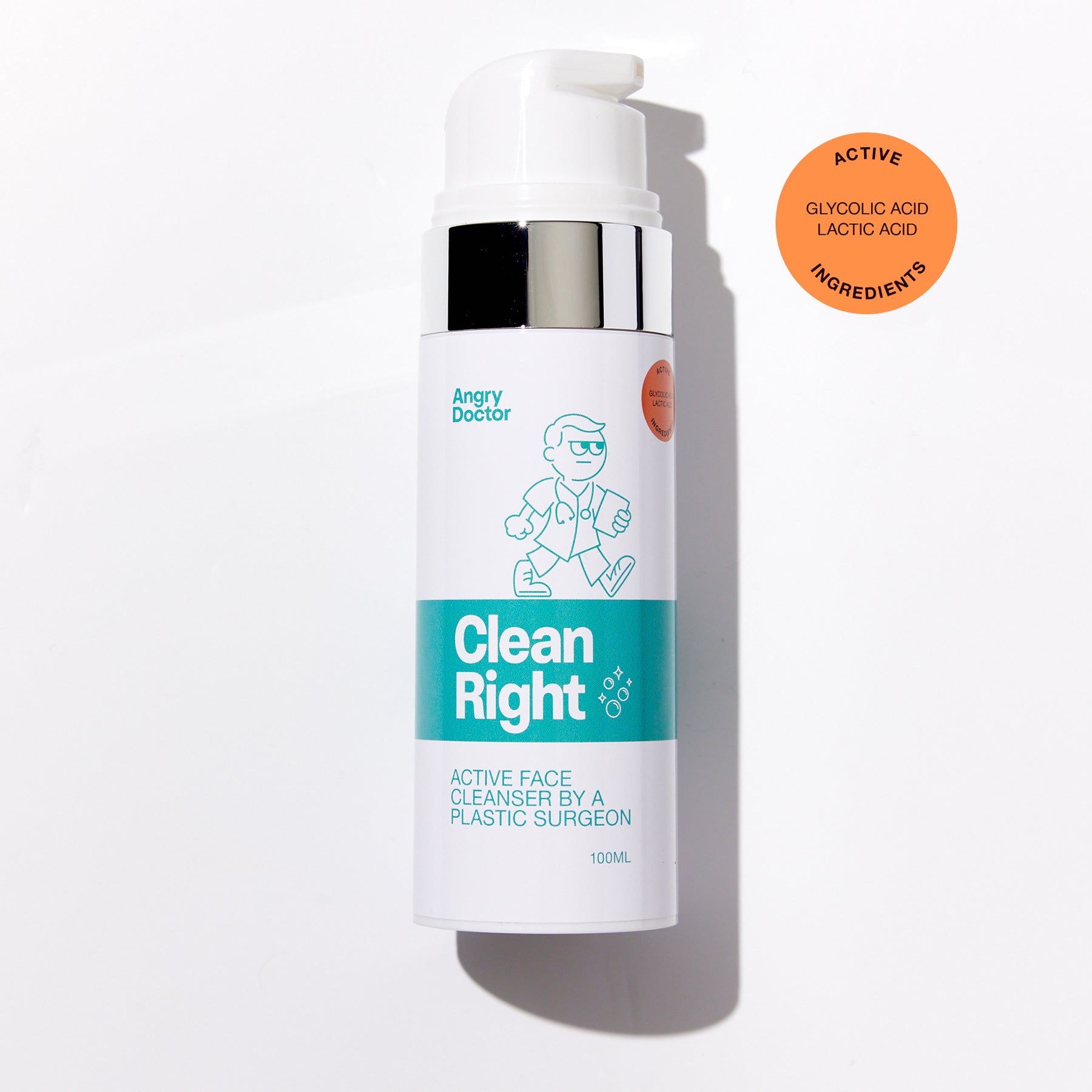
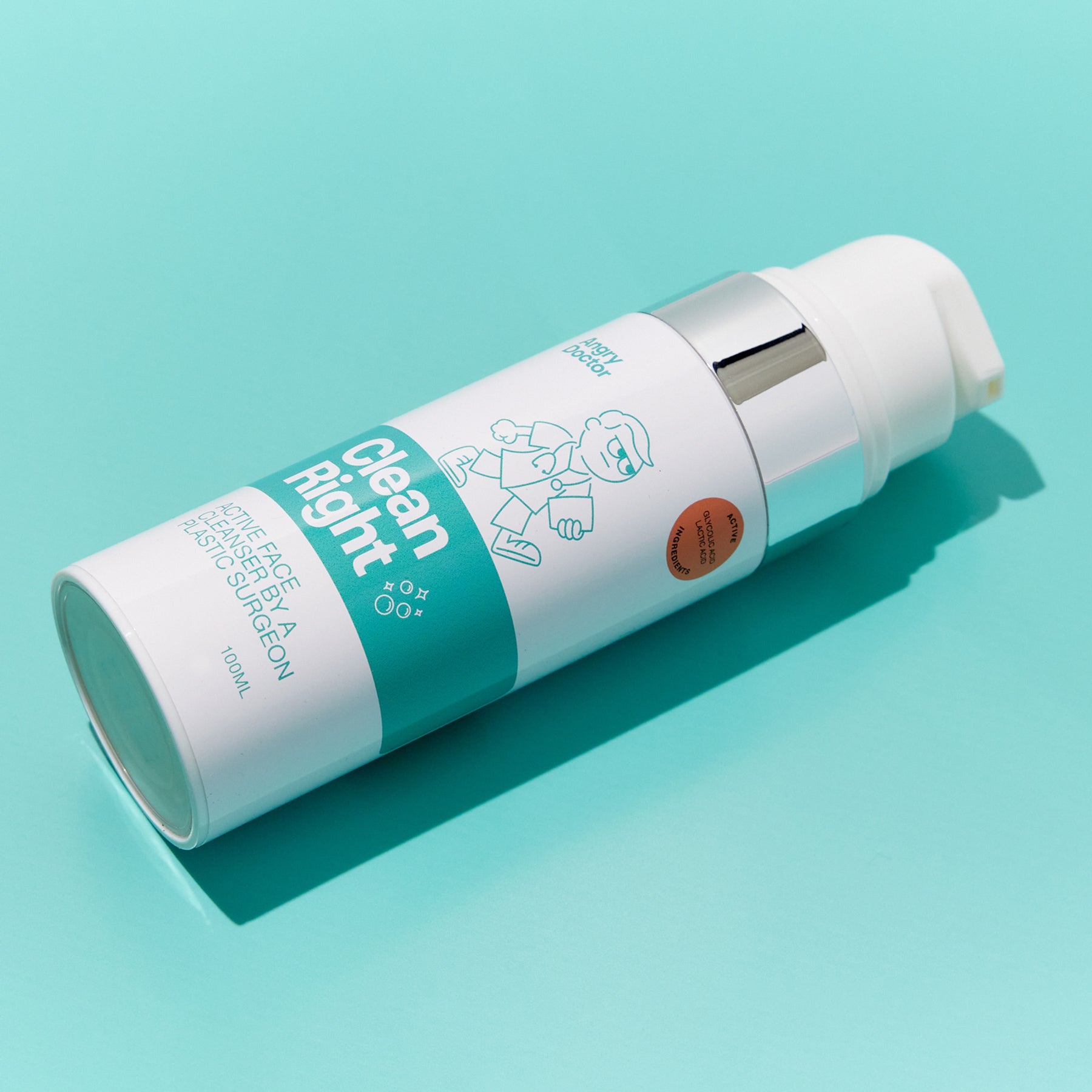
What helps: Repair the skin barrier and lock in moisture. Using Clean Right, a gentle active daily cleanser, removes dirt and sunscreen without stripping oils. Avoid hot showers and aggressive scrubbing. After cleansing, apply a humectant-containing serum or lightweight moisturiser to attract water into the skin. Seal that with an occlusive (fancy doctor-way of saying a richer, heavy cream) to stop evaporation.
Why this works: Humectants such as glycerine or hyaluronic acid draw water into the outer layers. Lipids and ceramides help rebuild the barrier. Occlusives like petrolatum form a protective film to prevent loss. Using Clean Right as a pH-balanced daily cleanse preserves barrier lipids so layering humectant + emollient + occlusive gives better hydration than one product alone.
Flaking and rough texture
What happens: Not enough hydration and weakened barrier leads to dead skin cells not shedding properly, leaving a rough-feeling surface.
What helps: Introduce gentle, regular exfoliation to remove flaky cells and allow moisturisers to penetrate. Chemical exfoliants like low concentration AHAs or PHAs, like an active acid facewash, can be kinder in winter than abrasive scrubs. Use them less often than in summer and pair with barrier-repairing moisturisers.
Why this works: Carefully removing flaky outer cells smooths the surface and improves product penetration without microtears.
Redness and inflammation
What happens: Barrier damage and vascular reactivity cause flushed or irritated skin. Cold, wind and indoor heat can all supercharge redness.
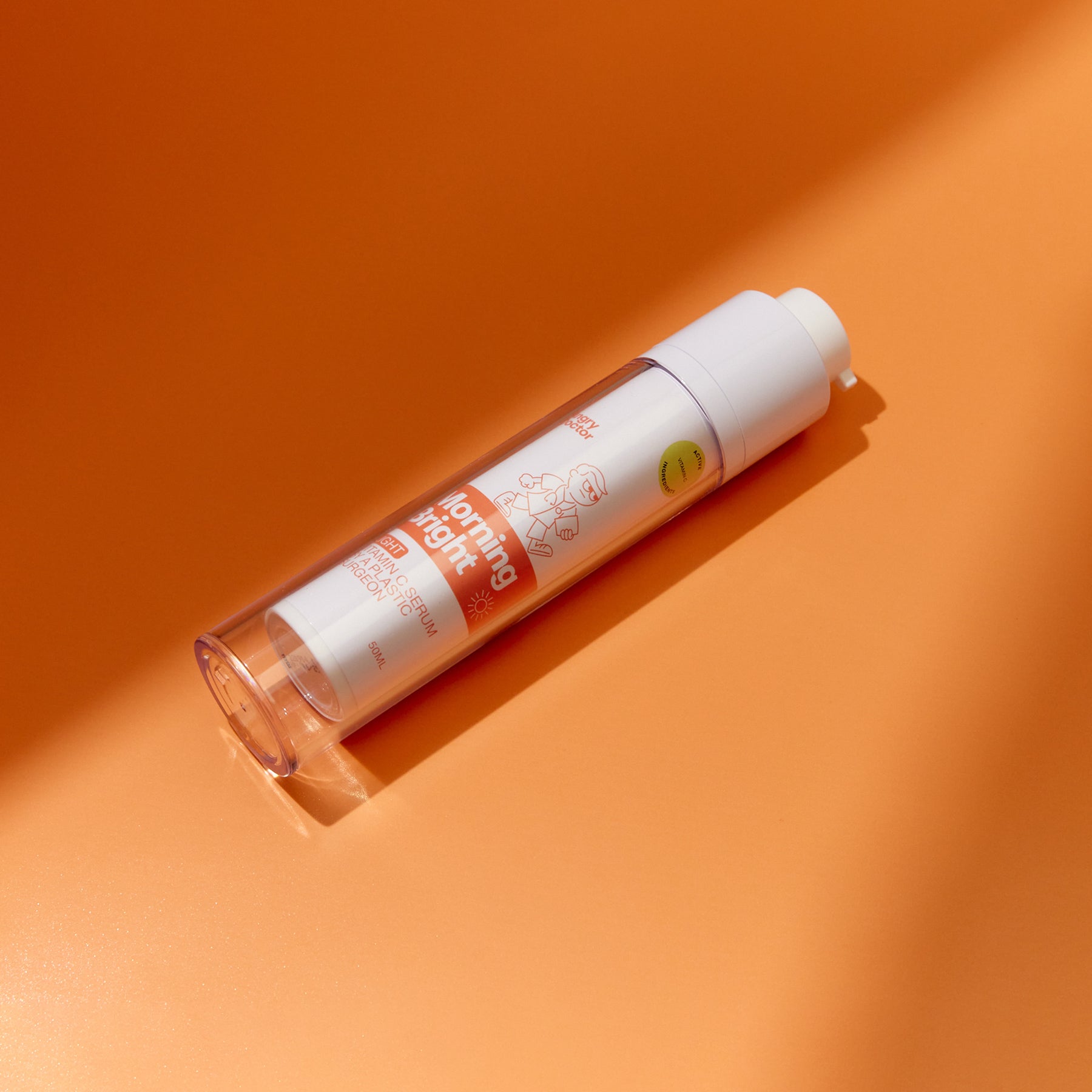
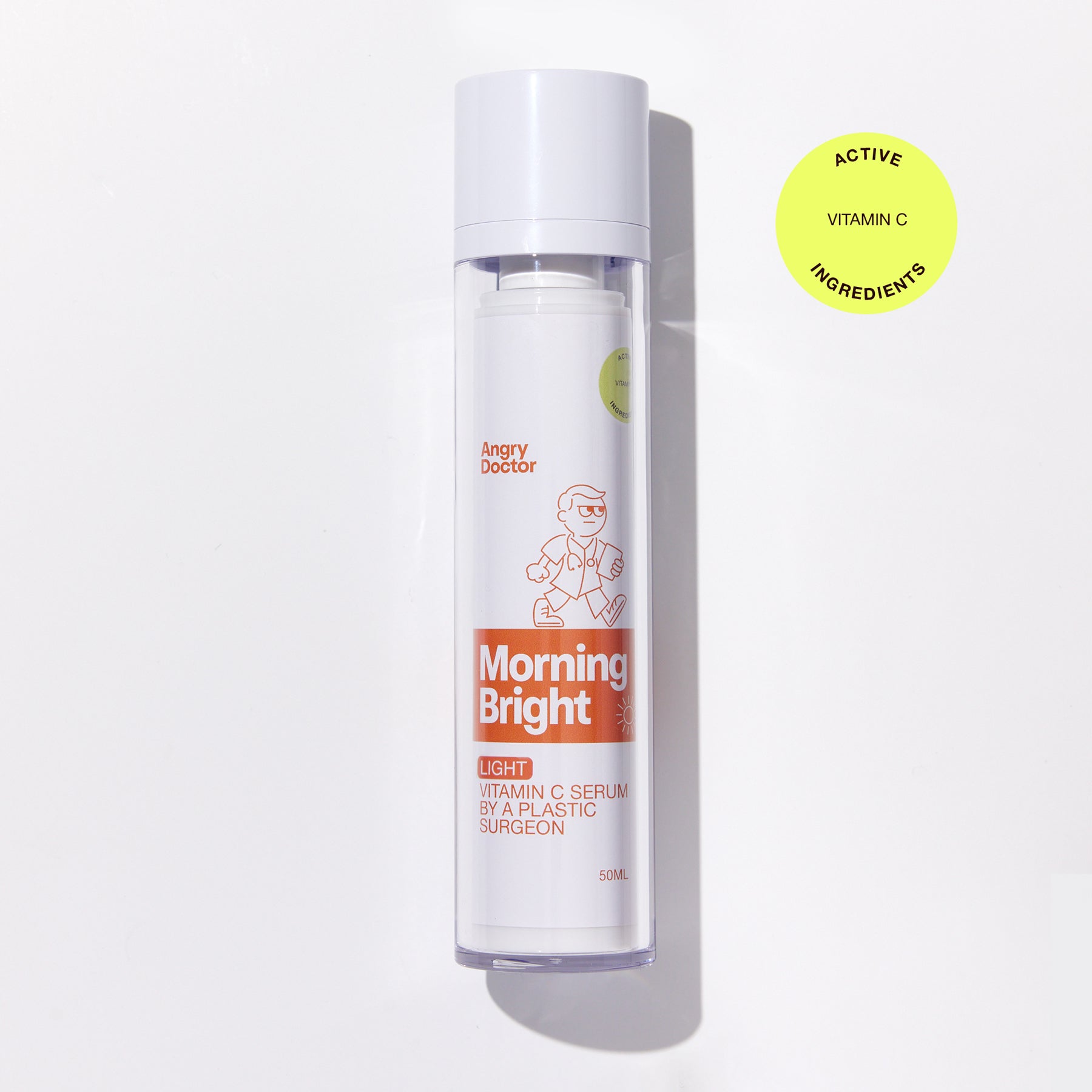
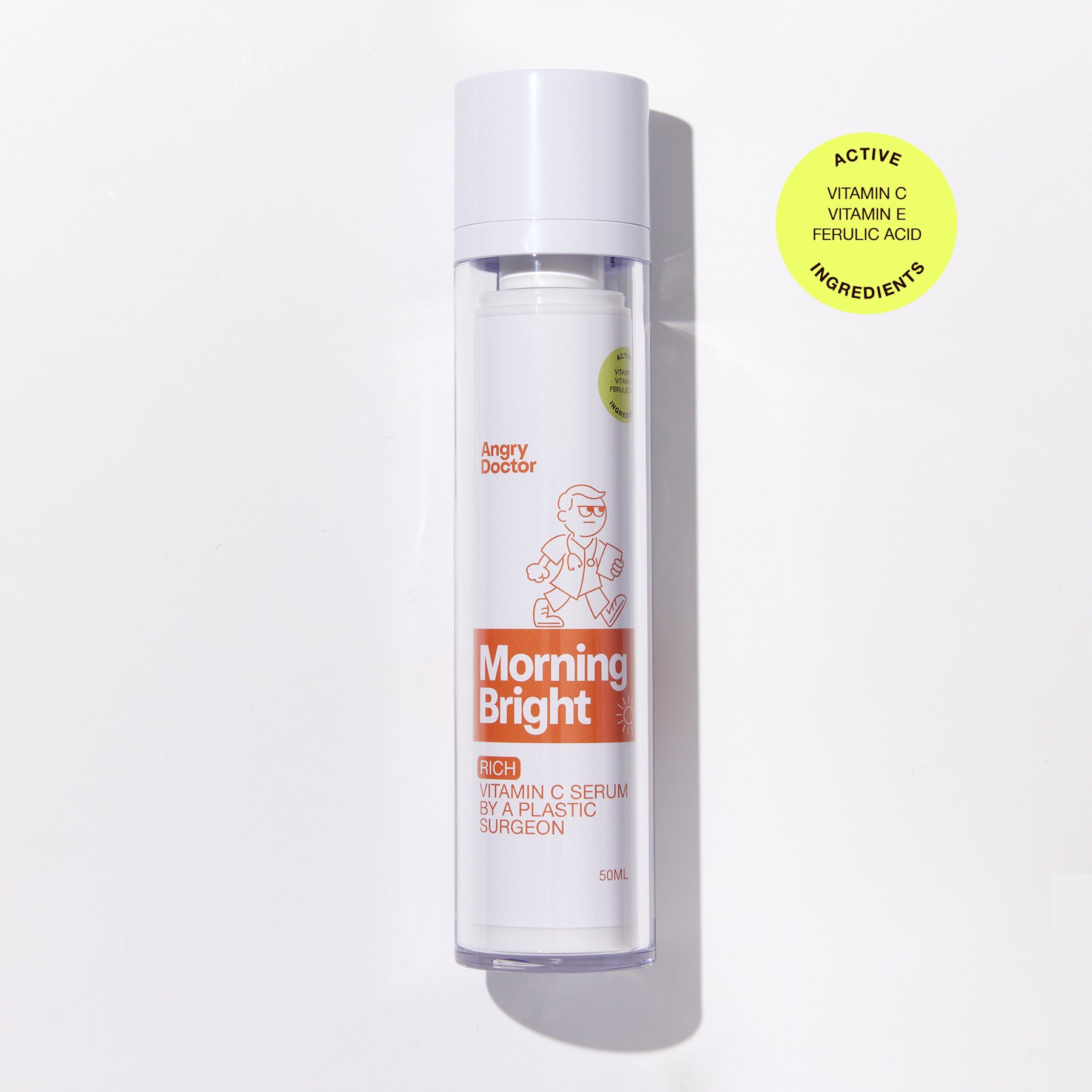
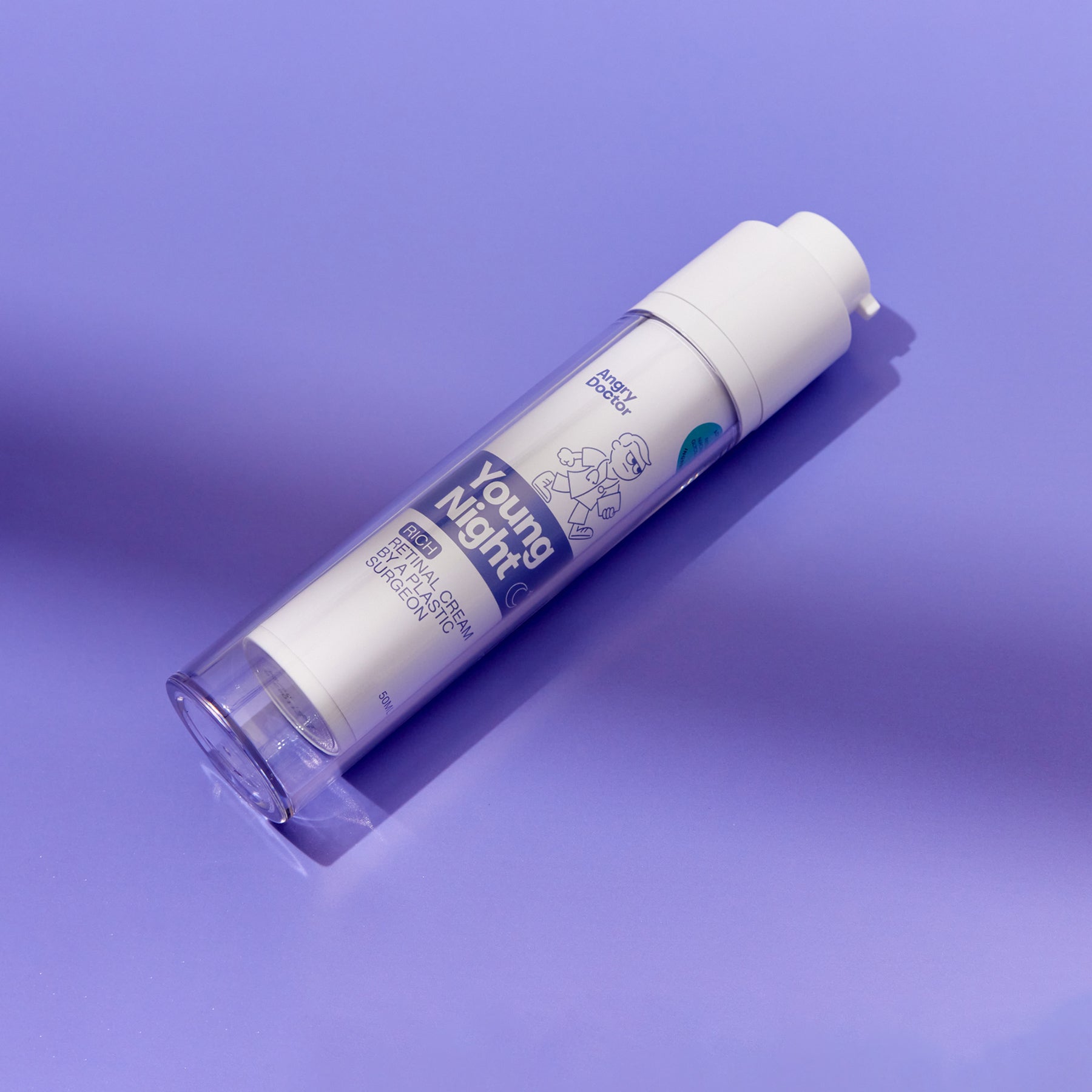
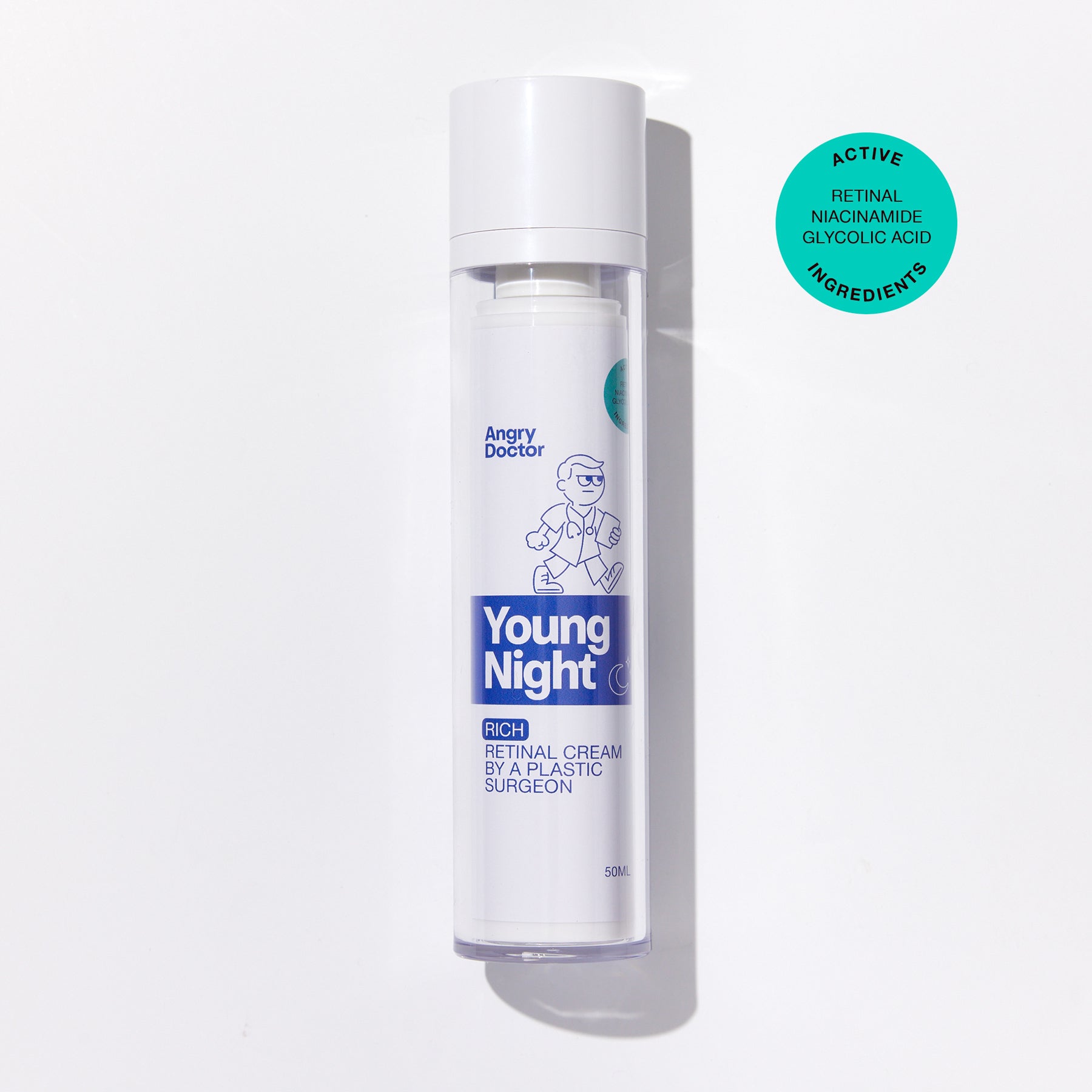
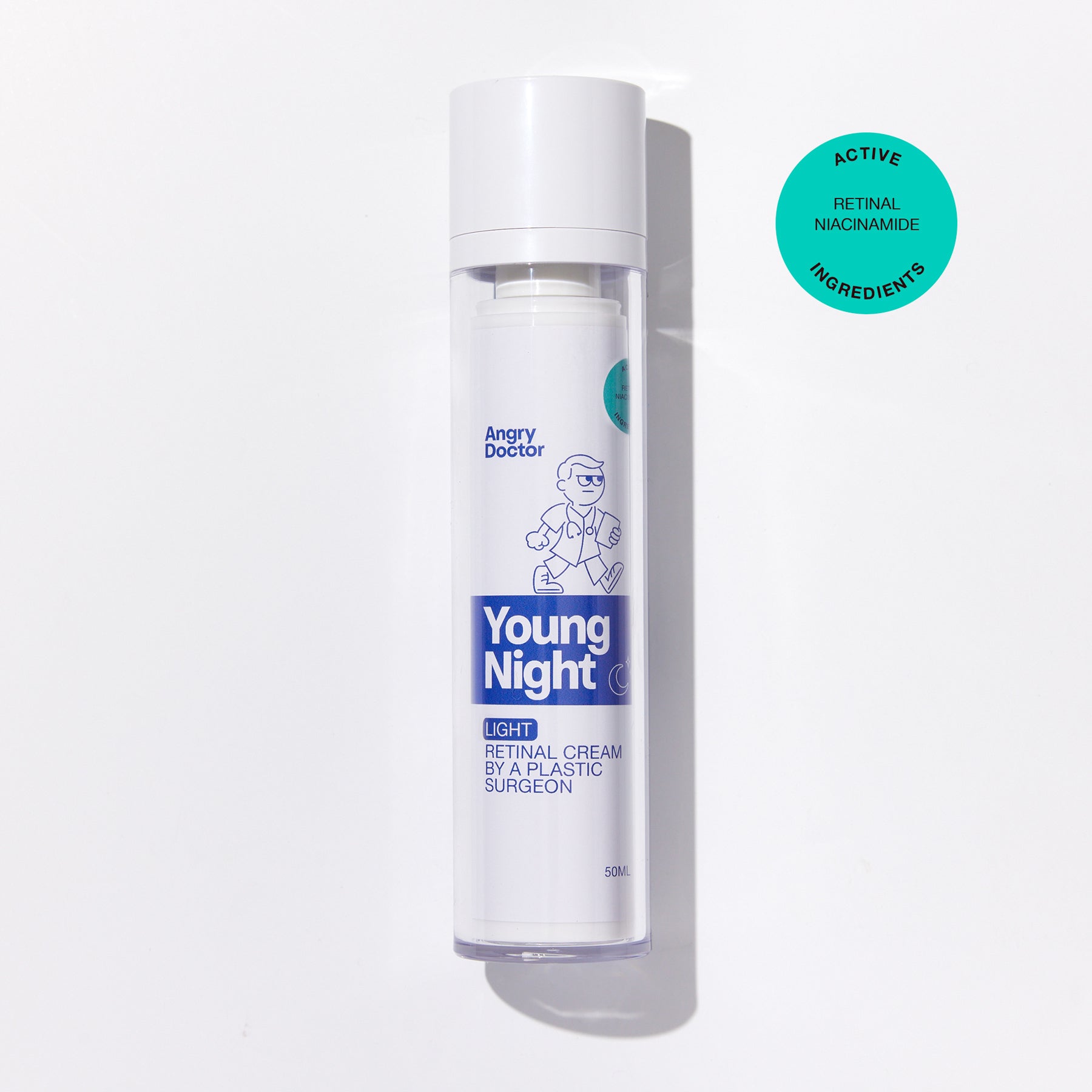
What helps: Focus on anti-inflammatory active skincare and barrier support with a niacinamide cream like Young Night, and a morning antioxidant serum like Morning Bright (L-ascorbic acid + vitamin E/ferulic) to reduce oxidative stress that fuels redness. Avoid known irritants like high-strength alcohols and fragranced products.
Why this works: Niacinamide soothes inflammation and helps rebuild the skin barrier (the outer layer that locks in moisture and keeps irritants and microbes out) so it recovers its protective role and flare-ups become less frequent. Morning Bright’s vitamin C provides antioxidant protection that lowers ongoing damage from environmental stressors, speeding recovery and reducing visible redness when used alongside barrier support.
Breakouts
What happens: People assume winter means fewer breakouts, but thicker moisturisers and reduced cleansing can trap sebum and dead cells, causing blocked pores and turning the clock back to your teen years (not in the fun way). At the same time, over washing increases irritation and rebound oiliness
What helps: Use a balanced lactic-acid cleanser like Clean Right to wash away oil, dirt and dead skin without drying you out. Use short, targeted spot treatments (benzoyl peroxide or low-dose salicylic acid) for active spots, and finish with a light, non-comedogenic moisturiser. In the morning, add Morning Bright vitamin C serum to protect skin from environmental damage and help fade post-spot marks.
Why this works: Removing the gunk that clogs pores prevents new breakouts, but harsh washing makes skin overproduce oil. Clean Right’s lactic/glycolic blend gently lifts dead cells so that pores stay clearer, a proper moisturiser keeps skin balanced and Morning Bright’s vitamin C reduces oxidative stress and supports fading of post-inflammatory dark spots.
Sensitivity and eczema flare ups
What happens: Cold, dry air and increased soap use can trigger atopic dermatitis and general sensitivity.
What helps: Simplify. Fewer products, sensitive skin cleanser, more barrier-friendly ingredients. Look for moisturisers with ceramides, glycerine and minimal fragrance.
Why this works: Reducing potential irritants and focusing on barrier repair lowers inflammatory responses. When the barrier improves the frequency and severity of flares usually decrease.
Doctor-approved winter routine to help your skin chill out
Morning
- Cleanse gently. Use an active daily cleanser that is effective but not harsh. Keep water lukewarm. Cleanse to remove sweat, oil and product residue, not to strip the skin. Pat dry, do not rub.
- Vitamin C serum. If your skin tolerates it, a vitamin C based serum for glowing skin in the morning supports antioxidant defence and brightens dull winter skin. It helps protect against oxidative stress from pollution and UV exposure. Apply to slightly damp skin to boost absorption, then wait a minute before the next step.
- Lightweight hydrating layer. Use a humectant serum or lightweight moisturiser to attract water into the skin.
- Moisture seal. Use a richer cream if needed, especially at night, and make sure it’s doctor-formulated skincare. In the morning, choose a texture that sits comfortably under sunscreen.
- SPF. Don’t skip sunscreen in winter. UVA rays penetrate clouds and contribute to photoaging. Use a broad spectrum SPF 30 or higher and apply it as the final step of your morning routine.
Evening
- Cleanse. Remove SPF, dirt and pollutants with the active daily cleanser. Double cleanse only if you wore heavy makeup or a thick sunscreen. Otherwise one gentle cleanse will do.
- Targeted night actives. This is a good time for a retinal anti-ageing night cream. Retinal, a vitamin A derivative, encourages cell turnover and stimulates collagen. In winter, skin can tolerate slower rates of turnover better, but you still need to build tolerance. Start with a low frequency, apply a pea-sized amount once or twice a week and increase frequency as tolerated. Always pair retinal with plenty of moisture, especially if your skin is still adjusting to it.
- Moisturise generously. Use a richer cream at night to support repair. If you have very dry areas, use an occlusive formula at the end of the routine.
Weekly
- Gentle exfoliation. One low concentration AHA or PHA session per week can help with buildup and rough texture. Avoid aggressive scrubs.
- Barrier boost. Add an overnight mask or a thicker balm on extra dry nights.
How to introduce and combine active skincare ingredients the right way
Active skincare will help keep these emergencies down to a minimum, but they have to be introduced the right way to avoid issues!
Retinal creams and serums are very powerful and effective (more so than retinol!), but it can cause irritation if introduced too quickly. Always start slowly. Use it on nights when you are not exfoliating or using strong acids. If you experience redness or excessive flaking, reduce frequency and pair it with more barrier-focused moisturisers.
Vitamin C serums vary widely in formulation and pH level. A stable, well-formulated vitamin C serum can be used in the morning. If you have sensitive skin, look for derivatives like magnesium ascorbic phosphate, or use lower concentrations and build up.
Active daily cleansers come in many forms. The goal is effective removal of sunscreen and pollutants without stripping barrier lipids. Surfactants like sodium lauryl sulphate can be drying. Gentle surfactants and formulations like a lactic acid cleanser with added humectants perform better for winter use.
Layer logically. Thin to thick. Serums before creams. Treat the skin gently for the first few weeks when introducing any new active.
Lifestyle and environment hacks that actually help
Like a magician, us doctors have a few additional tricks up our sleeves!
-
Humidify indoor air.
A small humidifier in the bedroom can improve overnight water retention in the stratum corneum. Aim for a comfortable indoor humidity around 40 to 50 percent.
-
Lower shower temperature.
I get it, you like jumping out of the shower radiating heat. But hot water strips lipids quickly. Short, warm showers preserve barrier function.
-
Drink water sensibly.
Hydration matters for overall health, but it has limited direct impact on skin hydration if the barrier is failing. Focus on topical hydration. -
Eat better (just a bit!).
I’m not saying you have to eat salads in winter, I’m not a monster. Just try to keep the deep fried, sugar-coated deliciousness to occasional treats. Omega 3 fatty acids, found in oily fish and some plant oils, support barrier integrity and lower inflammation, while getting high quality lean protein and essential fats supports repair.
-
Avoid harsh laundry products.
Fragrances and certain detergents can irritate sensitive facial skin, especially if you sleep on those fabrics.
Winter skin rescue is a process and things don’t just change overnight. Although if I find something that will do that, you’ll be the first to know!
You should notice reduced tightness and fewer flakes in one to two weeks with a consistent routine. Redness and inflammation may take longer. If you start a retinal night cream expect visible improvements in texture and fine lines over three months, provided you tolerate the active.
Keep things simple. If symptoms worsen despite sensible adjustments, see a dermatologist. Some conditions require prescription treatments.
Using well-formulated products at appropriate concentrations matters more than chasing trendy names or viral packaging. Quality control, proven formulations and consistent use are what produce results.
Winter should not be the season that breaks your skin. With knowledge, consistent practice and Australian skincare products that work for the biology of the skin, you can repair damage and protect against new problems. Think of this as practical, no-nonsense medicine for your skin. Start with the basics, introduce actives carefully, and let simple, evidence-based steps and doctor-formulated skincare do the heavy lifting. Consider that your skin is worth daily attention. Do it right and the payoff lasts well beyond the season.
FAQs
Should I stop retinoids or retinal in winter?
Not necessarily. Many people tolerate retinoids and retinal better in winter because they are using more moisturiser or a nourishing night cream. The key is to lower frequency if irritation appears and to prioritise barrier repair. If you are pregnant or breastfeeding, avoid retinal and consult your healthcare professional for alternatives.
Do I need sunscreen in winter?
Yes. PLEASE, YES. If there’s sunlight, there’s sun damage, okay? UV rays are present year round and cloud cover only reduces UV; it doesn’t block it. Apply a broad-spectrum SPF every morning as the final step of your routine, reapply if you’re outdoors for long periods, and don’t skip it on grey days.
Can I exfoliate in winter?
Yes, but you should do it less often if your skin is on the sensitive side in the chilly weather. Choose chemical exfoliants or an sensitive skin cleanser with lower concentrations. Watch your skin. If it becomes red or raw, pause and focus on repairing your skin barrier.
Is thicker moisturiser always better?
Not always. Thicker creams help very dry skin. For combination or acne-prone skin, choose non-comedogenic richer formulas and use heavier options only where needed. A product that sits heavy and clogs pores will create problems. That’s why Angry Doctor created both richer and lighter options for my simple, 3-step Australian skincare product range, which is all doctor-formulated skincare!